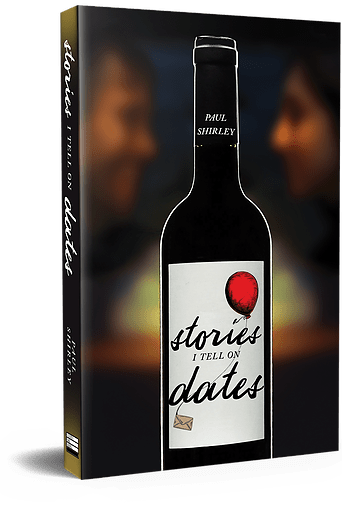
Recommended reading: Paul Shirley’s ‘Stories I Tell On Dates’
Sport with brains, pop culture with heart
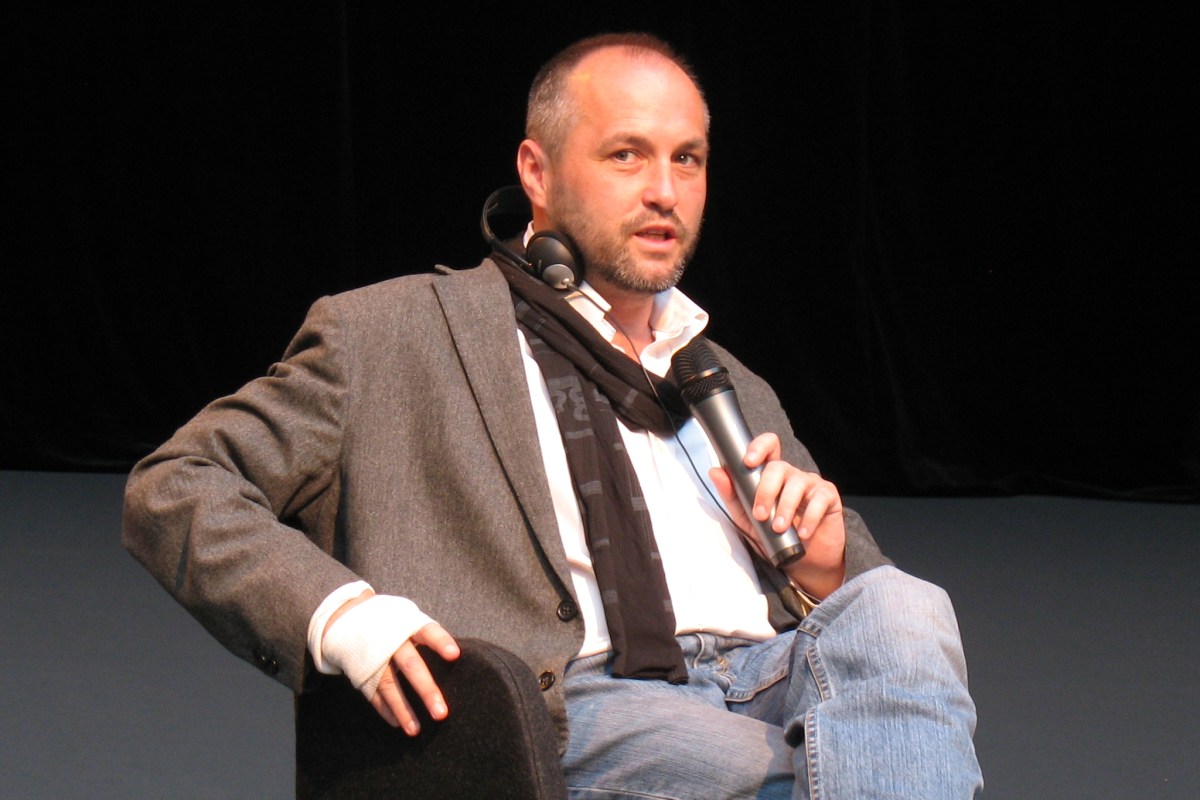
Spanning three centuries and two continents, Transatlantic is a dazzling meditation on the links across time and place, a series of interwoven stories on how people influence and inspire strangers they only meet fleetingly, the enduring pull of his homeland Ireland and the ongoing fallout of the Northern Ireland peace process.
The first and most action-packed vignette is a vivid imagining of the first non-stop Transatlantic flight in 1919. With the lyricism and economy of a poet, McCann sketches out the personalities of the two men: Alcock a dashing, fearless figure who craves anonymity and the more reserved Brown, who enjoys quantifying things and sees the world in scientific terms. Alcock was a prisoner of war and Brown walks with a stick and already seemed old at thirty-two. Both are aching for a new start and find it in the flight to Ireland.
In faultless, rhythmic prose, the bracing cold, physical exertion and white knuckle fear of the journey are conjured up, as well as the vertiginous possibility and raw excitement their journey generated. Watching the preparations for the flight with interest are Emily, a reporter who asks nothing but writes insightfully about the pair and Lottie, her daughter, who gives Brown a letter to take with him.
In the story’s second narrative, the great social reformer Frederick Douglass arrives in Ireland where he is to give a series of lectures denouncing slavery. His oratory is warmly received, but he initially feels ill at ease with his surrounds and has a tense relationship with Mr. Webb, his publisher and the organiser of his speaking tour. He senses an energy of doom amongst the Irish as the potato famine descends, but nonetheless finds himself fascinated by the country. His speeches have a particularly profound effect on maid Lily, who is so inspired she leaves for a new life in America.
Later, the senator George Mitchell arrives in Northern Ireland to take part in peace talks. This is another remarkable piece of literary ventriloquism, imagining the emotional tumult beneath a seemingly endless shuffle of meetings, hotels, airports and late-night phone calls as the American’s work becomes a whir of formality and politeness. McCann’s focus here is not on the details of the negotiations, but rather Mitchell’s motivation for getting involved in them. Having given up his quiet, semi-retired life with his young child and risked his impeccable reputation, Mitchell found himself drawn into the internecine feud by his “fascination with the impossible” and in quieter moments, finds himself reflecting on the mysteries of Belfast, a place where “all their lovesongs are sad and their warsongs happy”.
In book two, we find Lily now living in America and running a business selling ice. She and her daughter again cross paths with the aging Douglass, now an advocate for womens’ suffrage. The lives of Emily and Lottie also circle back to the past as they travel England on the tenth anniversary of Brown and Alcock’s historic flight, determined to track down the unsent letter. Finally, Hannah finds herself reflecting on her life in Dublin, 2011, as the city readies itself for a visit from Barack Obama.
Those won over by the critical and popular hit Let the Great World Spin will again find much to admire here. McCann displays a finely tuned antenna for the subtle details of life: the mist of morning fog, the lilt of Irish voices, the way New York cabs become a blur of colour in the rain. Collectively, these small details build into something quite overwhelming: a sweeping, symphonic marvel full of life and charm.

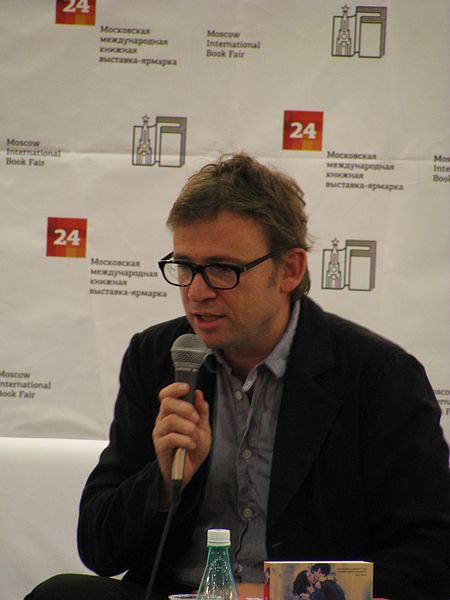
David Nicholls on the book tour for his previous hit, ‘One Day’. The European travel formed the backdrop for ‘Us’. (Photo: putnik)
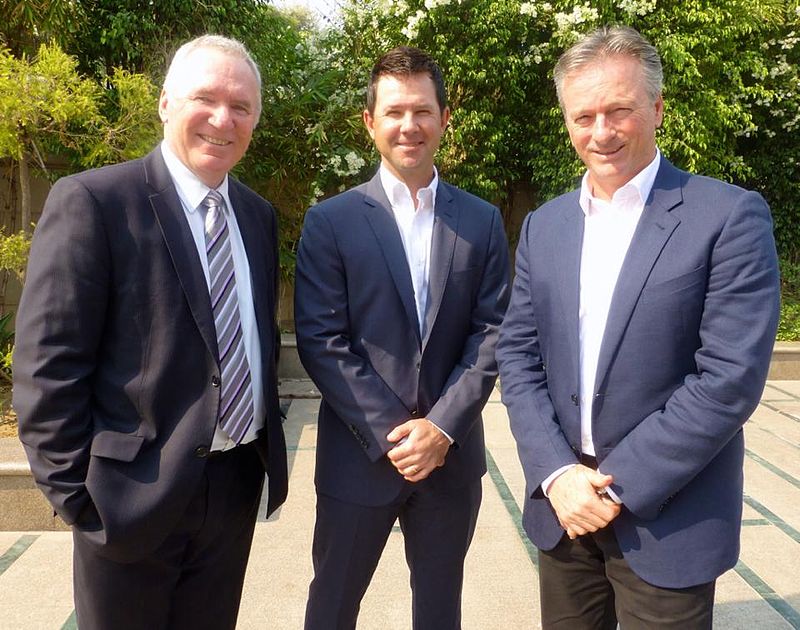
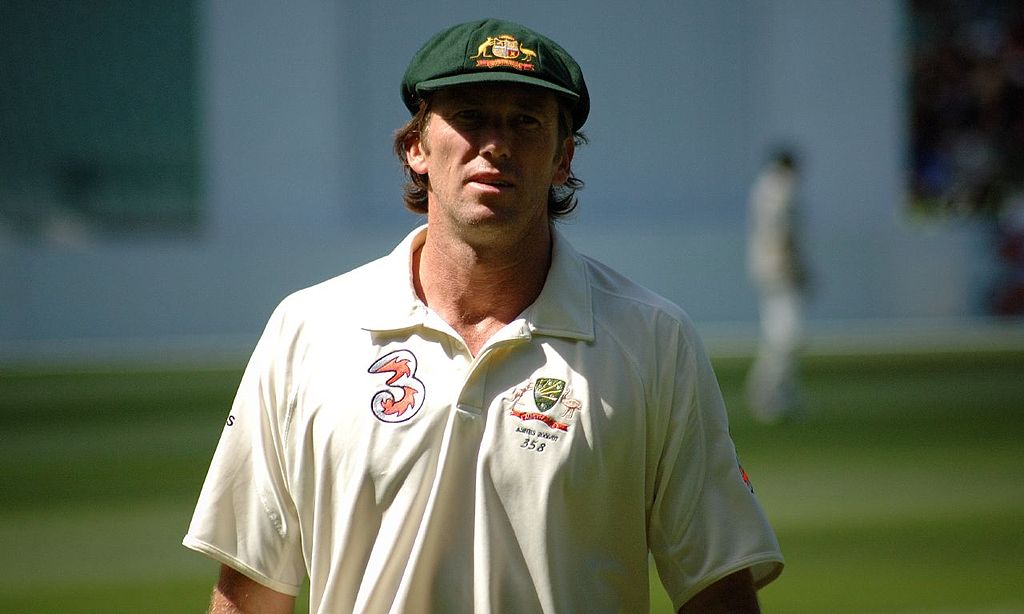
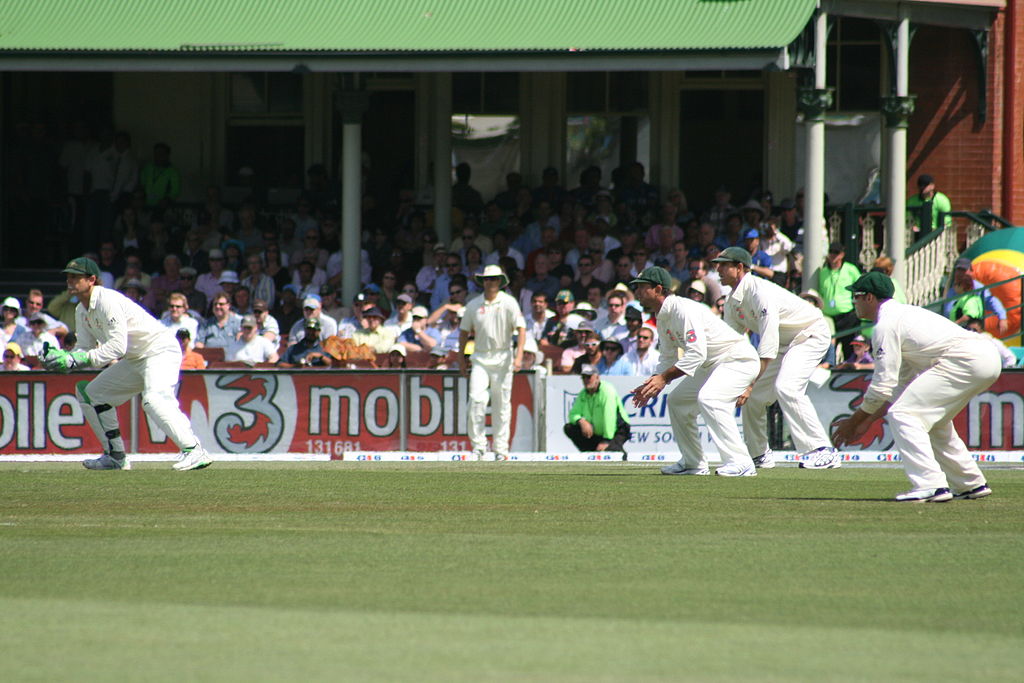
Glenn McGrath was a crucial part of Australia’s decade of dominance, taking 944 wickets in Tests and One-Day Internationals.
Knox’s writing on Adam Gilchrist is strong throughout (Photo: PrivateMusings)
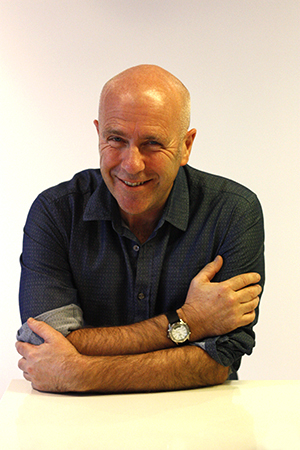
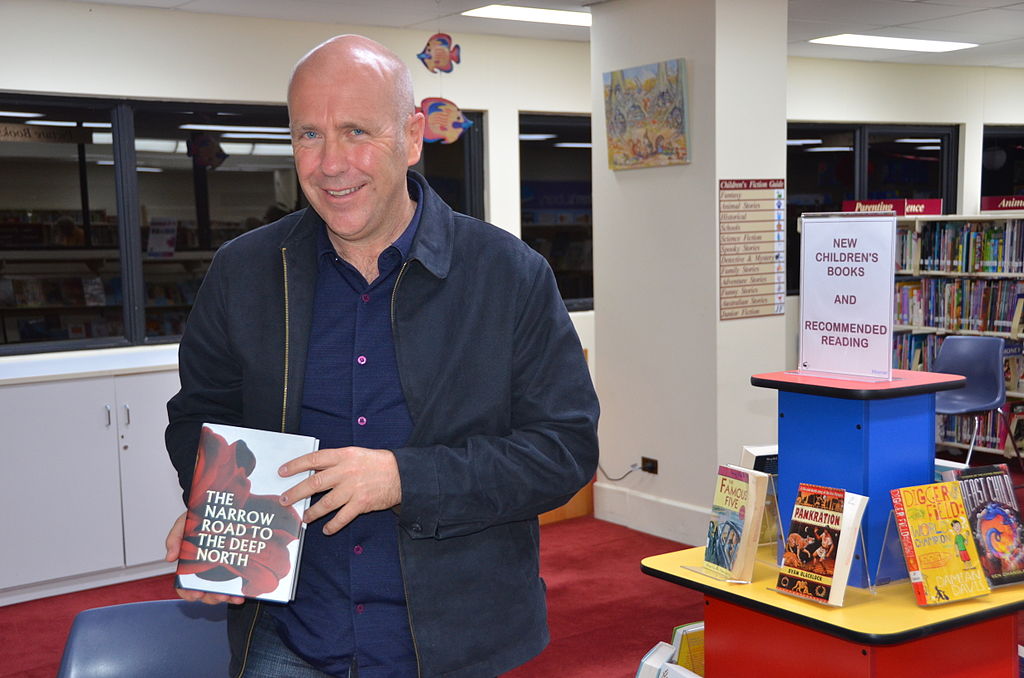
“A story that is both harrowing and deeply humanist, The Narrow Road to the Deep North has been billed as Flanagan’s most personal work.”
This week the shortlist will be announced for the 2017 Stella Prize, marking only the fifth time the prize will be awarded. It’s already a major date on Australia’s literary calendar, however, having grown considerably in profile and prestige. It continues to offer an annual reminder of the strength and breadth of writing by Australian women across a range of genres.
This year’s longlist selection is typically diverse, ranging from personal examinations of Australia’s drinking culture (Elspeth Muir’s Wasted), poignant autobiography (Cory Taylor’s Dying: A Memoir) and a survey of the journalism surrounding the Port Arthur Massacre (The Media and the Massacre by Sonya Voumard).
The judge’s comments emphasise the extensive research that went into many of the longlisted works and there is little doubt the painstaking task of writing, editing and re-writing can be an isolating activity.
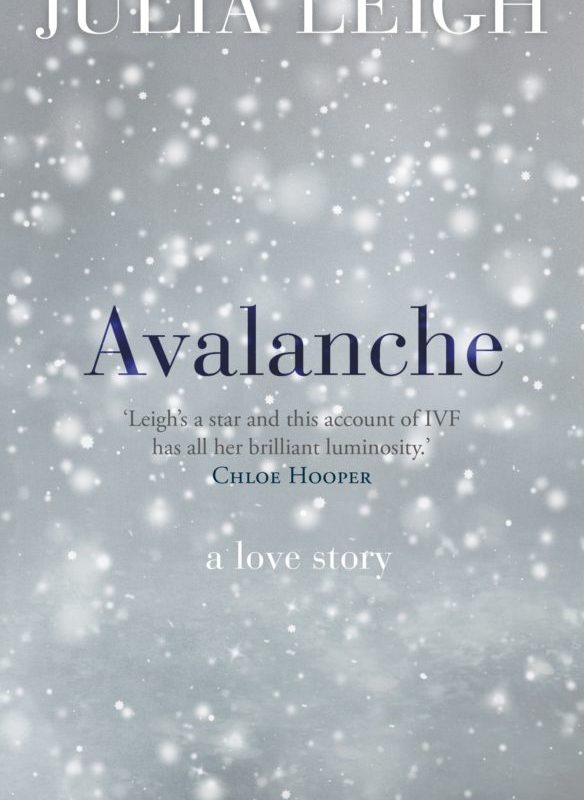
The Stella Prize goes some way towards promoting fraternity between writers. “It’s heartening to feel a part of a literary community” says Julia Leigh, who is nominated for her autobiographical look at the IVF process, Avalanche. “That the prize organisers have managed to build a strong sense of community around women’s writing in a fairly short space of time is a wonderful thing”.
Co-founder and executive director of the Stella Prize, Aviva Tuffield, says the prize has already become a real talking point and a source of inspiration for young women writers. “People say ‘It’s made such a difference to me, people are taking my work more seriously, I feel like a spotlight has been shone on me’”
Unusually for the Stella Prize, this year’s longlist is dominated by non-fiction, with only four novels, by Fiona McFarlane, Georgia Blain, Heather Rose and Emily Maguire, included. “It’s a reflection of the times we live in” Tuffield says. “There’s writing (in the longlist) about refugees, asylum seekers, racism in Australian life. People want serious writing on these issues”.
The judges’ comments on the longlist stressed the topicality of the works chosen. “Many of them address urgent national issues with particular relevance to women” it reads. “Women are fighting to be politically seen and heard, and to secure their positions in the public sphere”.
Julia Leigh agrees the current political and media climate has given a heightened sense of importance to work which is rigorously reported. “Non-fiction literary forms have long been incredibly important” she says. “Today we really need writers who can outflank the mendacious”.
Leigh, also a noted screenwriter and director (her Sleeping Beauty was a festival hit in 2011), says she felt a need to tell her story while it was still raw. “Avalanche felt necessary to me” she says. “I wrote it shortly after I stopped (IVF) treatment because I wanted to capture my strong feelings before they were blanketed by time”.
The $50,000 prizemoney represents a huge boost to the winner. Tuffield says, however, that there are other hugely important if less tangible effects on the nominated authors in terms of validation and renewed self-belief. She says last year’s prize recipient, Charlotte Wood, gained a whole new level of confidence from her win. “She felt like it gave her a real licence to speak out”.
Other winners also experienced massive upticks in their career courtesy of the prize. Emily Bitto (author of The Strays, the 2015 winner) saw her sales double in the month after she won and signed a USA/Canada deal with a six-figure advance shortly after. Carrie Tiffany (Mateship with Birds, 2013) was another recipient who experienced a marked upsurge in exposure and publicity, becoming a mainstay of the festival circuit.
The ongoing effects of the prize are fitting for an award which encompasses school programs, podcasts, monitoring of the gender balance of book reviewers and impassioned advocacy for women writers on a year-round basis. The process of drawing up the longlist is also a lengthy one, with some 180 entries vying for inclusion on the longlist this year.
Tuffield explains that as well as a deep knowledge of literature, it is important Stella prize judges represent the diversity the award champions. The panel will usually include representatives from around the country, as well as academia, the bookselling industry, a literary critic and a ‘Stella fella’, who this year is screenwriter and journalist Benjamin Law.
Tuffield says the inclusion of a ‘fella’ on the judging panel is an important component of the Stella ethos. “It’s a misconception that books by women are somehow just for women” she explains and the prize encourages men to examine and broaden their reading habits.
The shortlisted books will be announced in March and the winner a month later, but the cultural change brought about by the Stella Prize will continue to be felt long beyond that.
The longlist in full:
Victoria: The Queen by Julia Baird
Between a Wolf and a Dog by Georgia Blain
The Hate Race by Maxine Beneba Clarke
Poum and Alexandre: A Paris Memoir by Catherine de Saint Phalle
Offshore: Behind the Wire on Manus and Nauru by Madeline Gleeson
An Isolated Incident by Emily Maguire
The High Places by Fiona McFarlane
Avalanche by Julia Leigh
Wasted: A Story of Alcohol, Grief and a Death in Brisbane by Elspeth Muir
The Museum of Modern Love by Heather Rose
Dying: A Memoir by Cory Taylor
The Media and the Massacre: Port Arthur 1966-2016 by Sonya Voumard

Universal Harvester – John Darnielle
New fiction from the mastermind behind The Mountain Goats is set in a video store and If it’s anything like his masterful Black Sabbath-themed fiction, first novel proper or his music, it promises to be pitch black and deftly perceptive.
Anything is Possible – Elizabeth Stroud
The Pulitizer Prize winner’s My Name is Lucy Barton was one of the critical hits of last year, a meditation on family ties, pain reverberating through generations and the impossibility of ever escaping the past. This new novel (not, we’re informed, inspired by Kevin Garnett’s famous exclamation) explores similar themes in a small town setting.
Roots, Radicals and Rockers – Billy Bragg
A long overdue history of skiffle, a DIY musical movement which saw a surge in the popularity of guitars stateside. Anyone who has seen one of Bragg’s shows, which lean heavily on his funny, chatty, outraged persona, will be hoping he brings that same approach to his writing.
Men Without Women – Haruki Murakami
A collection of seven short stories based around the familiar Murakami theme of loneliness. Expect weirdness.
South and West (from a notebook) – Joan Didion
Plucked from her archives, this new release from the incomparable essayist is drawn from a 1970s road trip with her then-husband and her work for Rolling Stone covering the Patty Hearst trial.
View fullsize
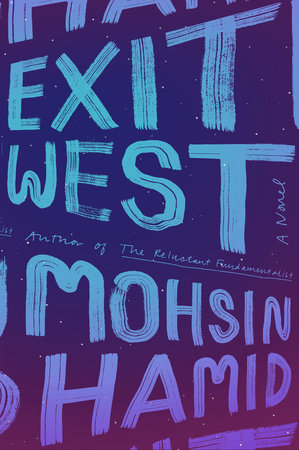
Mohsin Hamid’s ‘Exit West’
Exit West – Mohsin Hamid
From the author of The Reluctant Fundamentalist, comes a new work billed as a “timely love story that brilliantly imagines the forces that transform ordinary people into refugees”. One of the most perceptive observers of the here and now, Hamid also has a flair for combining innovation with genuinely moving narratives.
The Passenger – Cormac McCarthy
There’s only one Cormac McCarthy and he can (and does) release books as infrequently as he likes. This is his first novel since the indelible, grey skies beauty of The Road, which was released a decade ago. Little is known, other than it’s science fiction.
Hunger – Roxane Gay
Following up on the popular essay collection Bad Feminist, the prominent commentator, writer (and competitive scrabble player) will bring her punchy but nuanced approach to body image and eating, issues she covered in a memorable appearance on This American Life.
 The Evening Game